Intervention and assessment tools target overlooked area of literacy development

If you’ve ever struggled to understand an academic article or a piece of literary prose, you’ve struggled with language comprehension. You can read the words on the page but struggle to understand their meaning.
Understanding words alone is just one piece of the puzzle, according to Trina Spencer, director of Juniper Gardens Children’s Project, located in Kansas City, Kan., which is part of the KU Life Span Institute.
“Everyone's thinking, ‘Word recognition. We’ve got to teach the kids to read the words on the page,’” Spencer said. “The problem is that that's not the actual foundation of reading."
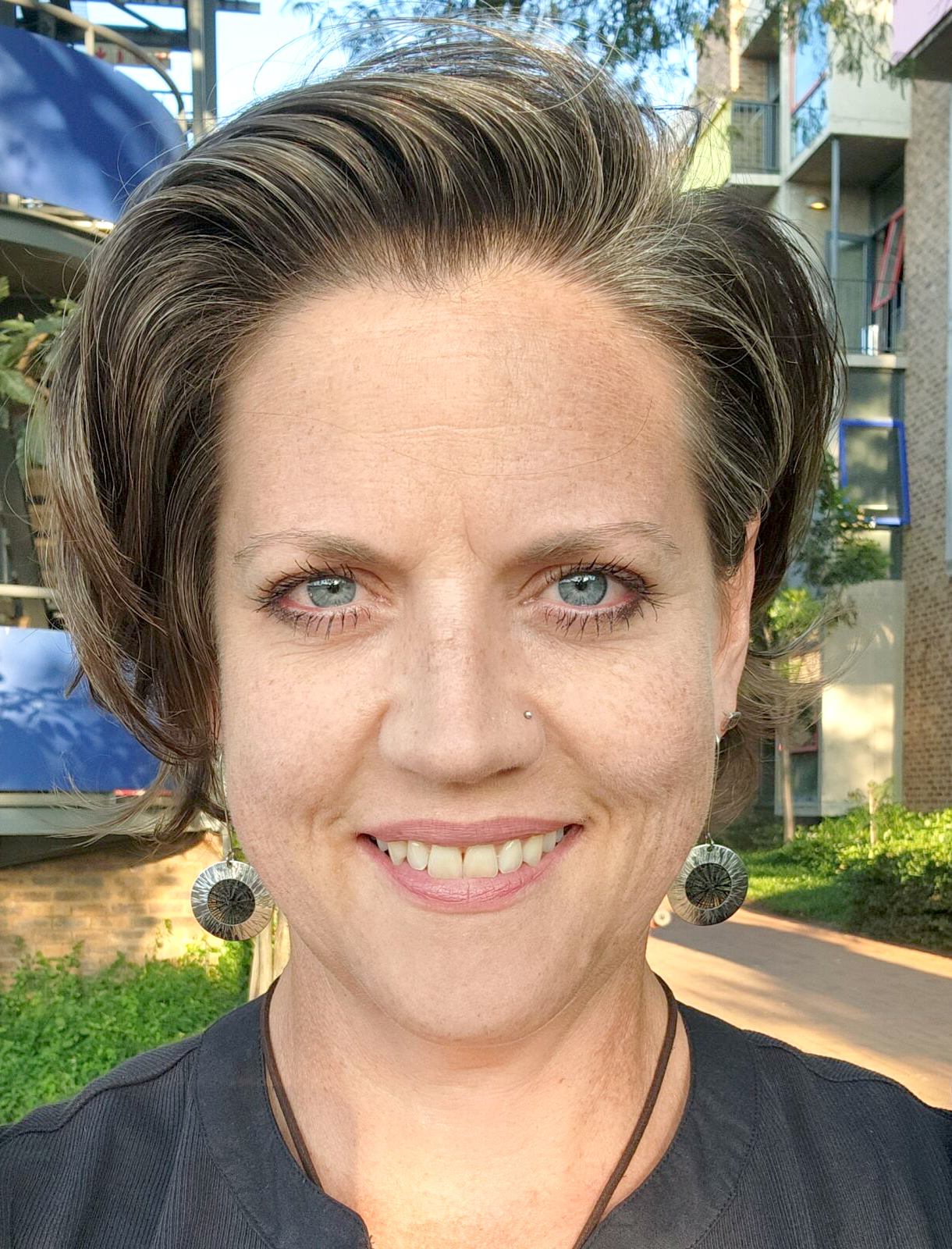
Before children learn to read, they must learn how to speak, how to listen, and to understand language. “These are basically very intertwined and difficult to just separate out because language is needed for all of it,” Spencer said. “Spoken language is the foundation of literacy and all learning.”
Literacy interventions tend to focus on word recognition challenges, such as dyslexia. However, language comprehension and word recognition are both important to reading comprehension, according to the Simple View of Reading model, which was first described by psychologists Philip Gough and William Tunmer in 1986 and modified by Gough and Wesley Hoover in 1990.
Depending on which study is referenced, Spencer said about half of children with dyslexia also have a language disorder, and about half of children with a language disorder also have dyslexia. Children with literacy challenges related to language comprehension can be overlooked by screening that only looks at word recognition problems.
"If you only measure one of them,” Spencer said, “you're not going to cover all of the things that children need.”
This includes 1 out of 31 children who are estimated to have autism and tend to score higher in word reading ability but lower in reading comprehension, as described by Meghan Davidson, director of the KU Comprehension and Language Learning Lab.
To address this challenge, Spencer and colleague Doug Petersen co-founded Language Dynamics Group, which disseminates their assessment and intervention tools for children, preschool through eighth grade. Their assessment tools are unique in that both word recognition and language comprehension are adequately addressed, and their instructional program—Story Champs—fills the gaps in reading instruction by helping teachers explicitly and systematically promote language comprehension alongside word recognition.
Spencer cites research that their newest assessment instrument—DYMOND—helps educators diagnose both dyslexia and developmental language disorder in about 20 minutes, saving valuable educator time.
“In a dynamic assessment, you acknowledge that everybody coming to your assessment has a different learning history,” Spencer explained.
A dynamic assessment reveals the child’s ability to learn, measuring the difference in knowledge before and after teaching occurs. This results in a score that is unrelated to their learning history.
“The proper way to test whether somebody has a learning disability is to measure their learning, not their performance on a test,” Spencer added.
Language Dynamics Group disseminates the only integrated set of tools that ensure foundational language skills are not neglected:
- PEARL, an early literacy screener that can quickly and accurately identify risk for future language and decoding learning difficulties of young children, including those who are culturally and linguistically diverse, before literacy instruction begins in kindergarten.
- DYMOND, the first ever norm-referenced dynamic assessment of language and decoding learning disabilities of students in grades K-8 with sensitivity and specificity above 90%.
- CUBED-3, a suite of benchmark and progress monitoring tools, assessing language comprehension and word recognition of students in PreK-Grade 8 and informing intervention and instructional decisions related to word recognition and language comprehension.
- Story Champs, a multitiered language instructional system that helps educators deliver complex oral and written language instruction, and is available in English, Spanish, and for alternative and augmented communication.

Spencer said there are existing tools to improve decoding skills, but they created Story Champs to address the intervention gap for language comprehension.
The benefits of the intervention have been documented with preschoolers and school-age students in several states with typically developing students, students who are at risk, and students with disabilities. Outcomes have included improved story retelling, personal story generation, fictional story generation, story comprehension, acquisition of targeted vocabulary, inferential word learning, story writing, information retelling, and reading comprehension.
In addition, Spencer points to the experiences of educators and clinicians who use Story Champs. “They’re always excited to tell me how it has changed their practice and the lives of the children they serve,” she said.
“Often, I hear they go from being frustrated because they didn’t know how to help their students to feeling confident and empowered,” she said. “And children go from struggling to comprehending to helping their friends out.”